
 No products in the cart.
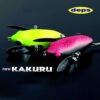
Deps Kakuru Topwater Crawler
CA$45.99
Available in stock
Description
DEPS Kakuru Members Limited Technical Specifications
| Specification | Details |
|---|---|
| Brand Origin | DEPS Co., Ltd. (Premium Japanese JDM Elite Engineering) |
| Exclusivity Status | Official JDM Web Members Limited Edition (Rare Collector Grade) |
| Body Length | 3.6 inches / 91 mm |
| Official Weight | 1.1 oz / 31.5 grams precisely balanced |
| Lure Category | Topwater Surface Winged Crawler Bait |
| Wing Component | High-Strength Structural Stainless Steel Fold-In Wings |
| Primary Targets | Trophy Largemouth Bass, Trophy Smallmouth Bass, Large Northern Pike |
The Mechanical Wing Physics: Unlocking the Dead-Slow Surface Crawl
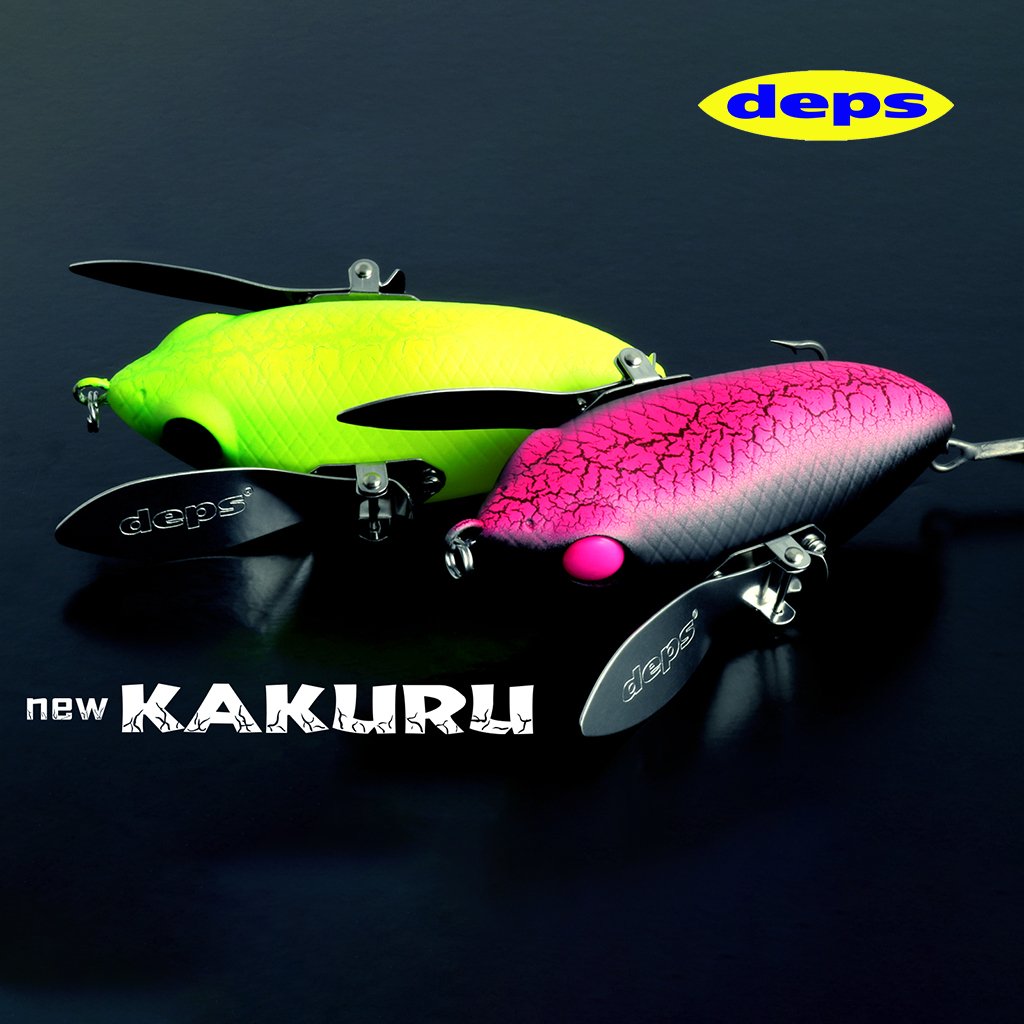
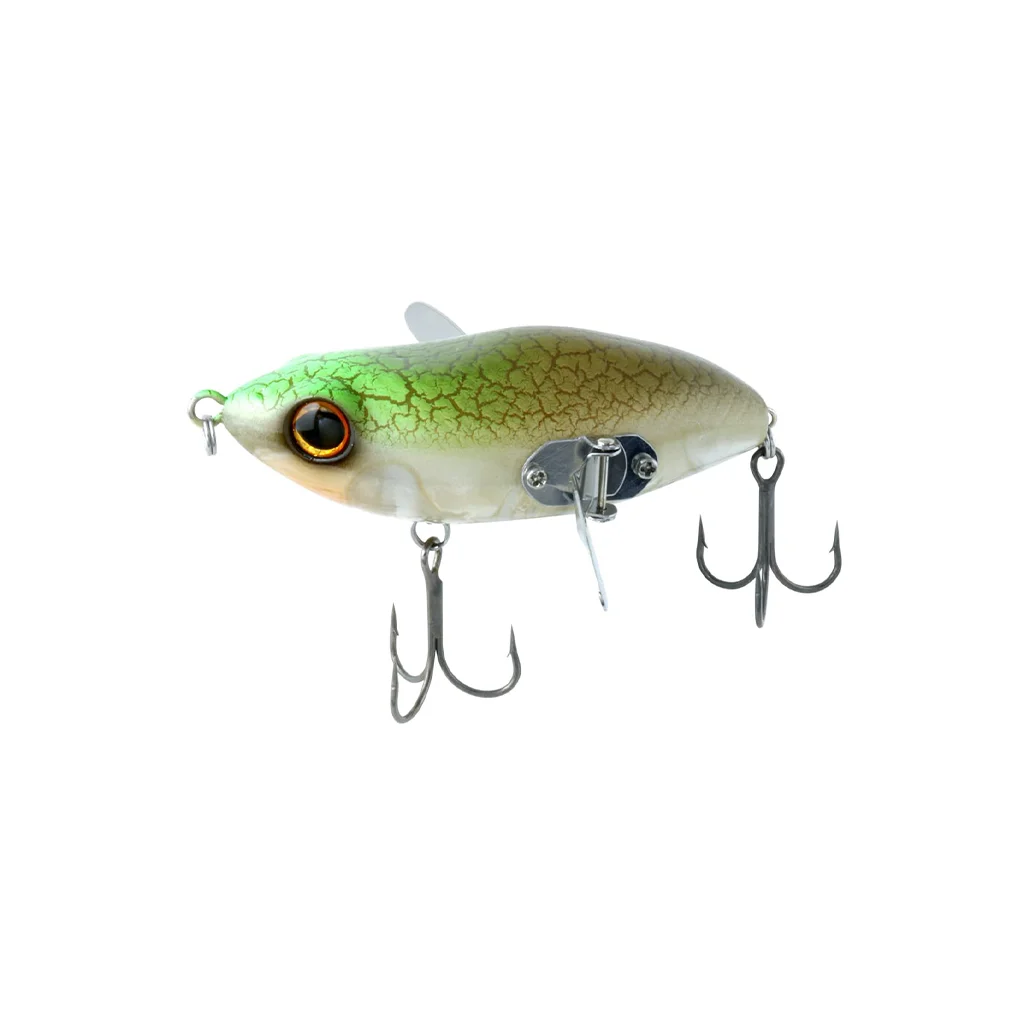
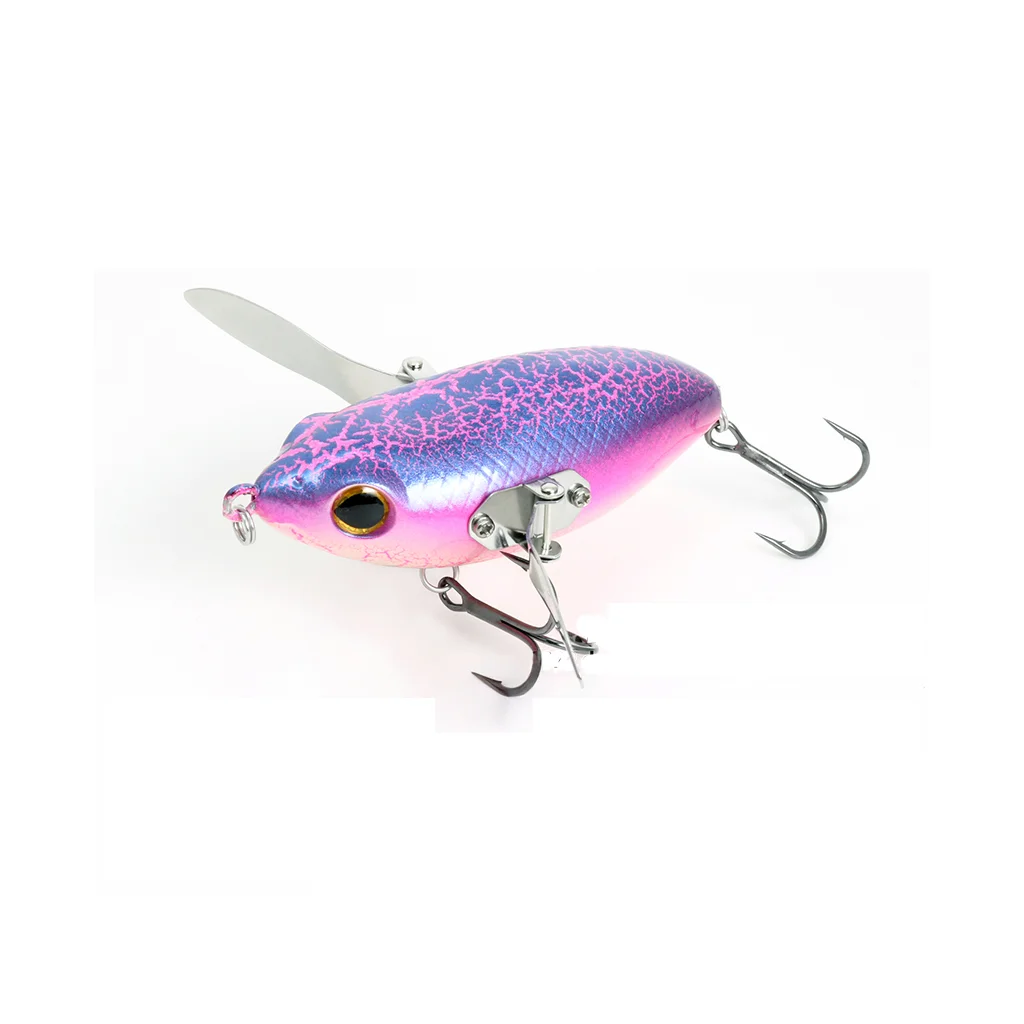
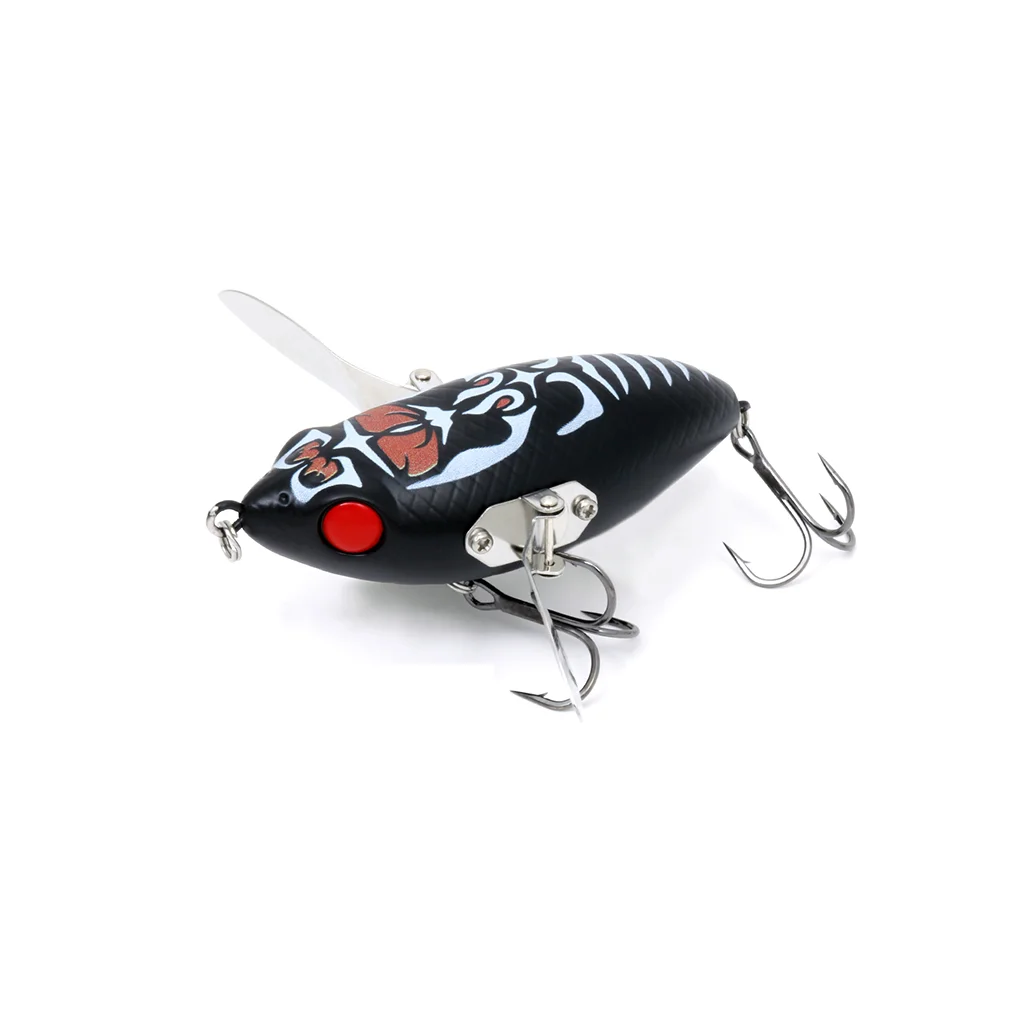
Standard topwater crawlers often suffer from poor casting aerodynamics. Their large, fixed metallic wings catch wind resistance mid-air, causing the bait to tumble and create bird’nests. The DEPS Kakuru Members Limited thoroughly eliminates this mechanical flaw. Engineered with an intricate fold-in stainless steel wing hinge assembly, the dual wings fold tightly along the streamlined 91mm body during a cast. This minimizes surface friction, allowing the 1.1oz chassis to fly tail-first like a compact bullet, achieving elite casting distances on standard gear.
The second the Kakuru touches down and line tension is applied, the wings instantly flare open to grab water displacement. It is interior-balanced with a specialized low center-of-gravity belly weight, enabling the crawler to initiate its hyper-frantic, side-to-side “dead-slow creep” crawling motion at the slowest retrieval speeds. As the body rhythmically rolls left and right, the broad metallic surfaces slap the surface film, forcing curious predators to lunge and engulf the bait out of pure territorial irritation.
Friction Audio Technology: The Power of High-Pitch Hinge Squeaking
Unlike mass-market crawlers that rely solely on water splashing, the DEPS Kakuru incorporates advanced mechanical acoustic engineering into its wing mounts. The connection brackets between the stainless wings and the hard ABS body are precision-toleranced to create micro-friction during the roll. On every crawl sequence, this friction outputs a loud, highly distinct high-pitched metallic squeak and clicking sound trail.
This unique sonic signature cuts horizontally across wide open flats and down into deep thermoclines. It breaks the surface defenses of trophy gamefish by perfectly mimicking a large, drowning terrestrial cicada or bird trying to stabilize its balance in the surface film.
Pro Guide: Backbone Calibration and Braid Line Flotation Laws
- The Ideal Crawler Rod Outfit: Because the Kakuru weighs a substantial 1.1 oz (31.5g), do not fish it on light finesse rods. Run this bait on a 7’0″ to 7’6″ **Heavy power baitcasting setup** with a Moderate-Fast or Regular action parabolic taper. A softer, forgiving graphite or composite mid-section is critical; it allows the blank to load up smoothly when a giant bass explodes on the surface, preventing you from pulling the hooks loose during violent head-shakes.
- The Absolute Flotation Line Mandate: Spool up with a main line of 40–50 lb premium Braided line tied directly to the nose eyelet snap. Braided line floats completely on the surface film, ensuring the nose of the Kakuru rides high for instantaneous wing engagement. Never fish this crawler on straight Fluorocarbon line; fluorocarbon is highly dense and sinks, dragging the nose downward and completely choking the wing rotation.
- Weedline Protection Layout: The wings fold in seamlessly upon hitting dense emergent weed stalks or wood branches, functioning as a physical shield for the dual belly hooks. This allows anglers to crawl the bait confidently right through the tightest cover openings and grass canopy pockets without constant fouling.
3 Tactical Surface Cadences to Trigger Heavy Reaction Explosions
- The Dead-Slow “Creep” Crawl (The Tournament Golden Standard): Fire a long bomb cast parallel to deep weed transitions or flooded timber lines. Hold your rod tip high at a 45-degree angle and rotate your reel handle at the absolute slowest possible speed—just fast enough to keep the wings flapping. The Kakuru will roll lazily, generating a continuous metallic squeaking trail that coaxes big fish out of deep structural shade.
- The “Flap-and-Stall” Dead-Sticking Trap: Cast deep into small open pockets within lily pads. Let the bait sit completely motionless for 5 seconds until the surface rings dissipate. Apply one violent rod-tip snap to make the wings loudly smash water, then **freeze handle rotations entirely for 3 seconds**. Sluggish, giant bass often swallow the bait midway through this stall.
- The Wind-Chop Burn (Active Summer Search): On bright afternoons when a steady breeze creates heavy surface wave ripples, speed up your retrieval to a medium pace. This forces the stainless wings to frantically splash and plow through the waves, maximizing visibility.
Frequently Asked Questions About DEPS Kakuru Members Limited
Q1: What does the “Members Limited” status mean for the DEPS Kakuru crawler?
A: The DEPS Kakuru was not released as a standard mass-production retail item. It was manufactured as an exclusive, limited-run production batch explicitly for the official DEPS Web Members Club in Japan. This makes it an incredibly rare, collector-grade JDM lure that is highly sought after by swimbait collectors and tournament anglers in North America due to its low availability.
Q2: Why do the wing hinges on the Kakuru make a high-pitched squeaking noise?
A: This is a deliberate, highly calculated mechanical design feature. The stainless steel wing hinges are calibrated to generate structural friction as the body rolls left and right. This friction outputs a high-pitched metallic squealing sound trail that perfectly replicates the wing-shimmer of a struggling terrestrial insect or bird trapped on the surface film, drawing fish from long distances.
Q3: Can I fish the 1.1 oz DEPS Kakuru effectively on a Fluorocarbon line?
A: No, absolutely not. Fluorocarbon line is dense and sinks, which will pull the nose of the crawler downward into the surface film. This sinking force chokes the opening hinges of the stainless steel wings, completely ruining its signature crawling mechanics and killing the acoustic output. Always fish the Kakuru on a floating Braided line (40-50lb) or high-poundage Monofilament line.
Reviews
There are no reviews yet.