
 No products in the cart.
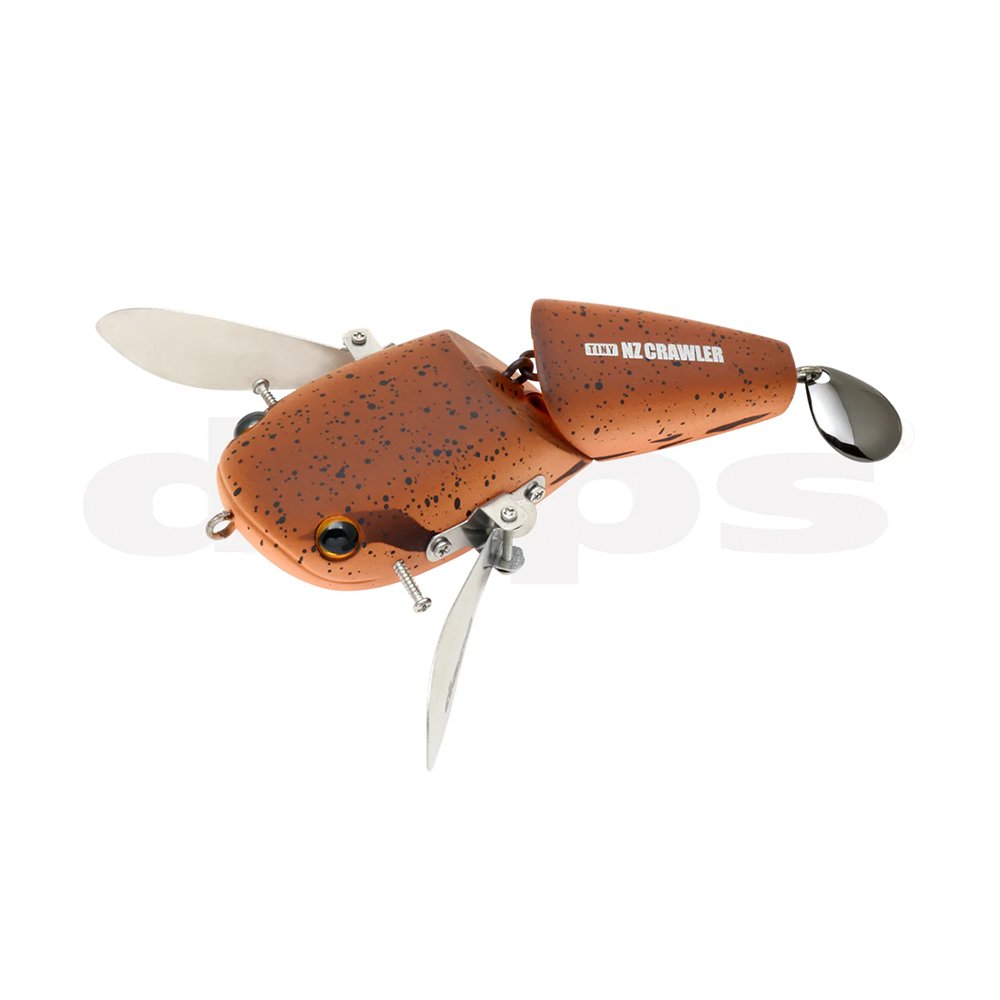
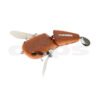
Deps Tiny NZ Crawler Topwater Bait
CA$55.99
Available in stock
Description
DEPS Tiny NZ Crawler Technical Specifications
| Specification | Details |
|---|---|
| Brand / Origin | DEPS Co., Ltd. (Premium Japanese JDM Engineering) |
| Body Length | 3 inches / 75 mm |
| Weight Class | 1/2 oz (approx. 14 grams) |
| Lure Category | Floating Winged Crawler / Topwater Plug |
| Wing Hardware | Custom-Stamped Adjusting Stainless Steel Wings |
| Tail Attractor | Premium Floating Prop-Blade with High-Spec Swivel |
| Target Species | Trophy Largemouth Bass, Big Smallmouth Bass, Northern Pike |
The Dead-Crawl Phenomenon: Unlocking Big Bass Biomechanics
Standard topwater plugs require continuous rod manipulation or fast reel speeds to maintain their swimming cadences, which frequently spooks big, educated tournament bass in shallow waters. The DEPS Tiny NZ Crawler completely flips this script. Built around a wide, high-buoyancy beetle-shaped chassis, this JDM masterpiece is mechanically balanced to execute an intense, side-to-side crawling roll at the **absolute slowest possible crawl speeds** (popularly known as the “Dead Crawl”).
The dual stainless steel wing assemblies act as water-grabbing sails. As they alternate tracking water resistance, they force the fat body into an aggressive waddling motion that mimics a massive dazed cicada, water bug, or stranded bird struggling across the surface film. Trailing behind the body, an overbuilt premium **tail blade** continuously clinks against the rear hook eyelet, producing a dual mechanical rhythm of metallic wing scratching and low-pitch clicking that draws deep monster bass up from the thickest cover weeds.
Pro Guide: Gear Matching and Wing Calibration for the 1/2 oz Crawler
- The Ideal Crawler Rod: Because the Tiny NZ Crawler scales down to a highly versatile 1/2 oz, it can be fished comfortably on standard gear. Run it on a 6’10″ to 7’4″ **Medium or Medium-Heavy power baitcasting rod** (or spinning rod for long-line casts) with a Moderate-Fast or Regular action taper. A softer composite or regular graphite blank allows the mid-section to load up smoothly when a bass crushes the bait, preventing you from ripping the hooks away prematurely.
- Line Selection (Strict Topwater Braid Mandate): Spool up with 20–30 lb premium Braided line tied directly to the lure, or run 14-17 lb Monofilament line. Both braid and mono float completely on the surface film, keeping the nose of the crawler riding high for instant wing engagement. Never fish this bait on sinking Fluorocarbon line, as it will drag the nose downward and lock up the wings.
- Precision Wing Tuning: The stainless steel wings are intentionally malleable. Professional JDM anglers tweak the wing angles based on conditions: bending the wings slightly inward traps more water for an ultra-slow, wide-spitting dead crawl, while opening them slightly outward allows for a faster, skittering swimming retrieve.
3 Tactical Methods for Surface Dominance
- The Ultra-Slow “Dead Crawl” (The Twilight Standard): Cast the bait tight against deep shade lines, overhanging trees, or weed mat edges. Let the surface ripples dissipate completely for 5 seconds. Then, reel at the absolute slowest speed possible—just enough to make the metal wings lazily flap left and right. This agonizingly slow visual drives big pre-spawn and nighttime bass insane.
- The Twitch, Shiver, and Stall (Target Structure): Fire the bait directly next to dock pilings, layout logs, or rock reef steps. Instead of a steady crawl, execute short, subtle line twitches to make the metal wings ripple and shiver dead-in-place without traveling forward, followed by a 3-second pause.
- The Late-Summer Nighttime Basin Cruise: During peak summer nights when big smallmouth and largemouth cruise shallow gravel flats to hunt forage, execute a medium steady retrieve across open flats, letting the tail blade maximize its acoustic clicking trail.
Frequently Asked Questions About DEPS Tiny NZ Crawler
Q1: What is the difference between the Original DEPS NZ Crawler vs. Tiny NZ Crawler?
A: The primary differences are physical size, weight, and gear matching. The original massive NZ Crawler is a giant bait measuring 134mm (5.25″) and weighing a heavy 3 oz, requiring dedicated heavy swimbait equipment. The Tiny NZ Crawler is a downsized, highly versatile version measuring 75mm (3″) and weighing 1/2 oz. It preserves the exact same aggressive wide-rolling crawl and wing physics but can be fished comfortably on standard medium or medium-heavy setups.
Q2: How do I tune the metal wings if the bait stops crawling or tracks sideways?
A: If the bait tracks unevenly, the stainless steel wings have likely bent out of alignment from striking a hard structure or fighting a large fish. Simply look down the nose of the bait and use your fingers to symmetrically match the wing angles on both sides. Bending the wings slightly forward and inward enhances water trapping for slow-speed crawling, while bending them outward increases speed stability.
Q3: Can I fish the DEPS Tiny NZ Crawler effectively on a Monofilament line?
A: Yes, a heavy 12–15 lb premium Monofilament line is an acceptable alternative because mono floats and stretches, which helps absorb shock during violent topwater strikes. However, for maximum casting range, absolute wing control on long-distance hooksets, and pulling giant bass out of dense submergent vegetation, a straight 20-30lb Braided line remains the gold standard choice.
Reviews
There are no reviews yet.