 No products in the cart.
-29%
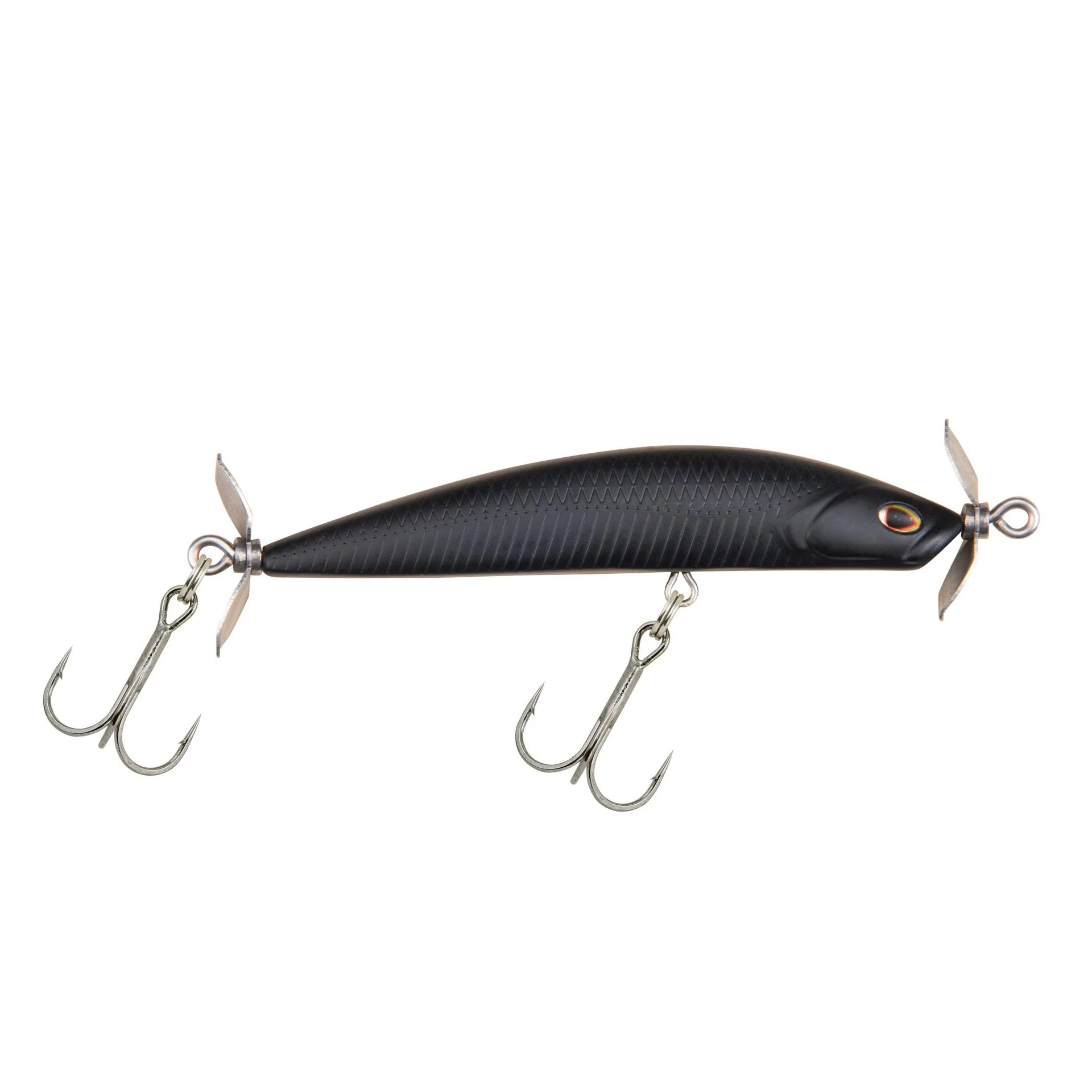
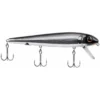
Berkley Spy Spybait
CA$9.99
2 in stock
Description
Berkley SPY Spybait Technical Specifications
| Model | Length | Weight | Sink Rate | Hardware |
|---|---|---|---|---|
| Berkley SPY Slow Sinking | 70 mm / 2.75 in | 1/4 oz / approximately 7.1 g | Approximately 0.64 ft/sec | Twin free-spinning stainless-steel propellers and Fusion19 treble hooks |
| Berkley SPY Standard Sinking | 70 mm / 2.75 in | 1/3 oz / approximately 9.4 g | Approximately 0.92 ft/sec | Twin free-spinning stainless-steel propellers and Fusion19 treble hooks |
Subtle Shimmy and Side Flash
The Berkley SPY Spybait is a compact sinking finesse hard bait designed for clear water, pressured bass and situations where a restrained presentation is more effective than a loud or aggressive lure.
During the fall and on a slow, steady retrieve, the SPY produces a tight shimmy and exaggerated side flash. Its compact profile and balanced design also support long casts, helping anglers cover open flats, offshore structure and suspended fish without approaching too closely.
Twin Stainless-Steel Propellers
Free-spinning stainless-steel propellers at the front and rear add subtle flash and vibration during both the retrieve and the fall. The props activate at slow speeds, allowing the lure to maintain its finesse presentation without relying on a wide wobble or internal rattles.
This low-key action is especially useful when targeting smallmouth and largemouth bass in clear lakes, reservoirs and heavily fished water.
Choosing Between the Two Sink Rates
1/4 oz Slow-Sinking Model
The 1/4 oz version sinks at approximately 0.64 feet per second. Its slower fall makes it easier to keep higher in the water column and work over shallow flats, grass edges and suspended cover.
1/3 oz Standard-Sinking Model
The 1/3 oz version sinks at approximately 0.92 feet per second. The additional weight helps it reach deeper water faster and maintain depth during longer retrieves or in light current.
Recommended Rod and Line Setup
- Rod: A medium-light or medium power spinning rod with a responsive tip is a versatile choice. Light baitcasting or BFS tackle may also be used when properly matched to the lure weight.
- Main Line: Light fluorocarbon is commonly used for spybaiting because it sinks and helps the lure maintain depth. Braid with a fluorocarbon leader is another practical option.
- Line Strength: Six- to eight-pound fluorocarbon is a common starting point, but line choice should be adjusted for cover, water clarity and target species.
- Retrieve: Hold the rod tip low and use a slow, steady reel speed. Avoid excessive rod movement so the lure’s natural shimmy and propeller action remain consistent.
How to Fish the Berkley SPY
Countdown Retrieve
After the cast, allow the lure to sink while counting the fall. Once it reaches the desired depth, begin a slow and steady retrieve. Repeating the same countdown helps keep the bait in a consistent part of the water column.
Parallel Weed-Edge Retrieve
Cast parallel to submerged vegetation and retrieve the lure slowly along the outside edge. The slow-sinking model is especially useful when fishing above grass or other shallow cover.
Suspended Fish Presentation
Cast beyond suspended fish or visible surface activity, allow the lure to settle to the desired depth and retrieve it slowly through the target zone.
Frequently Asked Questions About the Berkley SPY Spybait
What is the sinking speed of the Berkley SPY?
The 1/3 oz standard model sinks at approximately 0.92 feet per second, while the 1/4 oz slow-sinking model sinks at approximately 0.64 feet per second. Actual fishing depth will also depend on line diameter, retrieve speed, current and the length of the initial countdown.
Should I twitch the Berkley SPY?
The standard spybait presentation uses a slow, steady retrieve with minimal rod movement. Occasional adjustments can be made, but repeated snapping or jerking may interrupt the lure’s subtle tracking and shimmy.
What line works best for the Berkley SPY?
Light fluorocarbon is a common choice because it sinks and helps the lure maintain depth. Braid with a fluorocarbon leader can also work well when additional casting distance and sensitivity are desired.