
 No products in the cart.
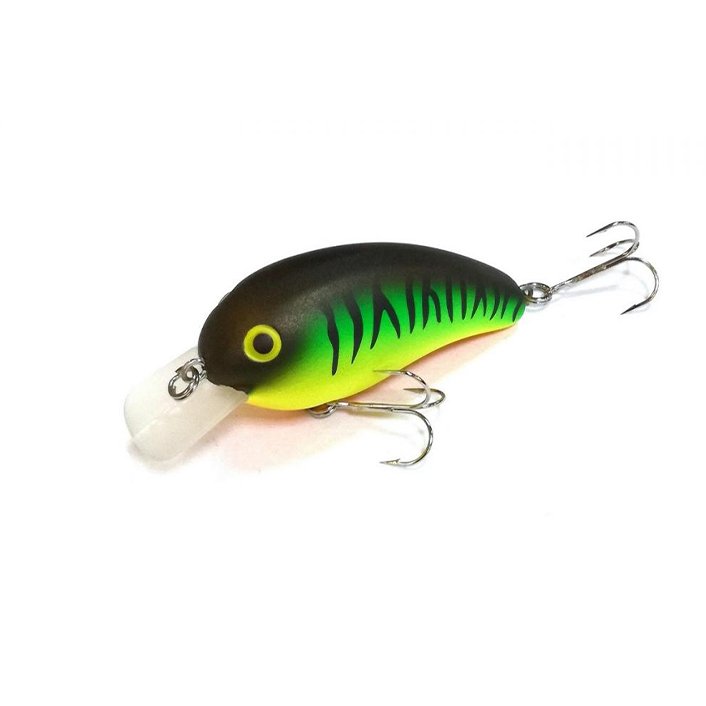
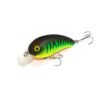
Daiwa Tiny Peanut SR Crankbait
CA$9.99
Available in stock
Description
Daiwa Tiny Peanut SR Technical Specifications
| Specification | Details |
|---|---|
| Brand Legacy | Daiwa Co., Ltd. (Premium Japanese JDM Engineering) |
| Body Length | 1.6 inches / 40 mm |
| Official Weight | 1/8 oz / 4.0 grams |
| Diving Range (SR) | 0 – 3.3 feet (0.5 – 1.0 meter max) |
| Action Dynamic | High-Frequency Tight Wobble with Steady Tracking |
| Acoustic Profile | Internal Micro-Rattle Chamber (Subdued Acoustic Clicking) |
| Hook Configuration | Two #10 Premium High-Penetration Silver Trebles |
The Shallow JDM Legend: Creeping Over Vegetation tops in Presured Waters
When fishing heavily hammered public flats, sandbars, or shallow weed transitions, standard full-sized squarebills push too much water displacement, which immediately alerts and spooks cautious bass. The Daiwa Tiny Peanut SR thoroughly overcomes this challenge. For over twenty years, the Peanut series has reigned as Japan’s defining, long-selling national crankbait because it gets bites when all other plugs fail. By condensing the proven blueprint into an ultra-compact 40mm micro frame, the SR model serves as a precision stealth weapon that flawlessly mirrors newly hatched baitfish fry, pond crawfish, and terrestrial insects.
Mechanically optimized with a short, precisely angled square bill, the Tiny Peanut SR is built exclusively to claim the ultra-shallow 3-foot zone. Unlike competitor micro baits that capture air resistance and wind-tumble during a cast, this JDM marvel features a fixed internal belly配重 weight system that stabilizes its flight path, guaranteeing long-distance, bullet-like casts even on light lines. Once it hits the water, it engages instantly, shivering violently on a steady retrieve while its integrated micro-rattles issue a subtle sonic clicking that triggers defensive strikes.
Pro Guide: Spinning and BFS Calibration for Shallow Cover Deflections
- The Ultimate Finesse Outfit: Because the Tiny Peanut SR weighs a precise 1/8 oz (4.0g), standard medium-heavy casting gear cannot load the tip properly. To unlock booming casting distance, run this bait on a 6’6″ to 7’0″ **Light or Medium-Light power spinning rod** with a fast tip. For modern hard-core finesse enthusiasts, it matches perfectly with a specialized JDM **BFS (Bait Finesse System)** casting rod setup.
- Line Tuning (Controlling the Canopy): Spool up with straight 6–8 lb premium Fluorocarbon line for complete invisibility in clear water. If you are explicitly targeting the very tops of submergent grass canopies or creeping over dense lily pad flats, swapping to a 10 lb Braided line tied to an 8 lb Monofilament leader is highly recommended. The floating mono leader naturally lifts the nose, allowing you to slow-roll the 4g frame in less than 2 feet of water.
- High-Flotation Snag-Free Geometry: Built with an exceptionally high-floating density ABS chassis. When the square lip collides with a rock ledge or a sunken tree root, it acts as a bumper, kicking sharply sideways away from the snag. The millisecond you feel a collision, **pause your reel handle for 1 second**, and the bait will rapidly float backward and upward over the obstacle, inducing violent reaction strikes on the rise.
3 Tactical Methods for Shallow Structure Dominance
- The Grass-Canopy Burn (Active Summer Search): Cast over the tops of emerging spring vegetation fields or shallow flats. Hold your rod tip at a 45-degree angle and execute a fast, steady retrieve. The Tiny Peanut SR will scream tightly at 2 feet, throwing out a furious vibration that coaxes bass up from the green stalks.
- The Riprap Rock Bank Grind: Cast directly against shallow stone boulders, concrete boat ramps, or breakwater blocks. Slow-roll the bait so the bill continuously ticks and crashes into the hard substrate. The sudden, erratic stutters as it glances off stones create an unmissable deflection strike window.
- The Dead-Stall “Panic Wake” (Slick Calm Days): On early mornings when the surface is glassy, execute 3 fast cranks to splash a water trail, then **stop entirely for 2 seconds**. The high-float body will drift upward lazily, mimicking a dying minnow fry panicking in the surface film.
Frequently Asked Questions About Daiwa Tiny Peanut SR
Q1: What is the exact difference between Daiwa Tiny Peanut SR vs. Tiny Peanut DR?
A: The core differences are lip length, body weight, and running depth. Both share the exact same micro 40mm silhouette. However, the Tiny Peanut SR (Shallow Runner) weighs 4.0g and features a short, angled bill engineered to fish strictly in the 0 to 3.3 feet (1.0m) zone. The Tiny Peanut DR (Deep Runner) weighs slightly more at 4.5g and features an elongated diving bill built to lock into the 5-foot (1.5m) depth column.
Q2: Does the Daiwa Tiny Peanut SR contain internal rattles or is it silent?
A: Yes. The standard JDM flagship Tiny Peanut SR contains an internal micro-rattle chamber that generates a subtle, high-pitch clicking sound trail on the retrieve. This sound footprint is specifically calibrated not to scare away schooling fish, providing just enough acoustic presence to help predators track the micro plug in stained, muddy, or wind-rippled water conditions.
Q3: Why is the squarebill lip shape preferred for ultra-shallow cover fishing?
A: Round-lipped mini crankbaits tend to roll forward when they strike wood or rocks, driving the treble hooks directly into the obstacle. The squarebill design on the Tiny Peanut SR acts like an armored bumper. When the square corners strike a branch or stone, it forces the entire bait to deflect and kick sharply sideways away from the snag, keeping the trailing #10 hooks completely shielded from fouling.
Reviews
There are no reviews yet.